Drones/Control Centre
ADESCO ROCC – Fully Managed Remote Drone Operations

From Drone Deployment to Fully Managed Operations.

ADESCO takes on the entire operational management and execution of unmanned aircraft missions through its Remote Operation Control Center (ROCC).

01 — Operating Model

The ADESCO operating model.

Unlike a model in which the client buys the equipment and runs it themselves, ADESCO provides a complete remote flight operations service.

ADESCO’s specialist pilots manage the missions from the ROCC, monitor the operational status of the Drone-in-a-Box (DiaB) systems, assess the data collected and coordinate the agreed operating and incident-response procedures.

The client gains access to the operational capabilities of drones without having to manage their day-to-day operation.

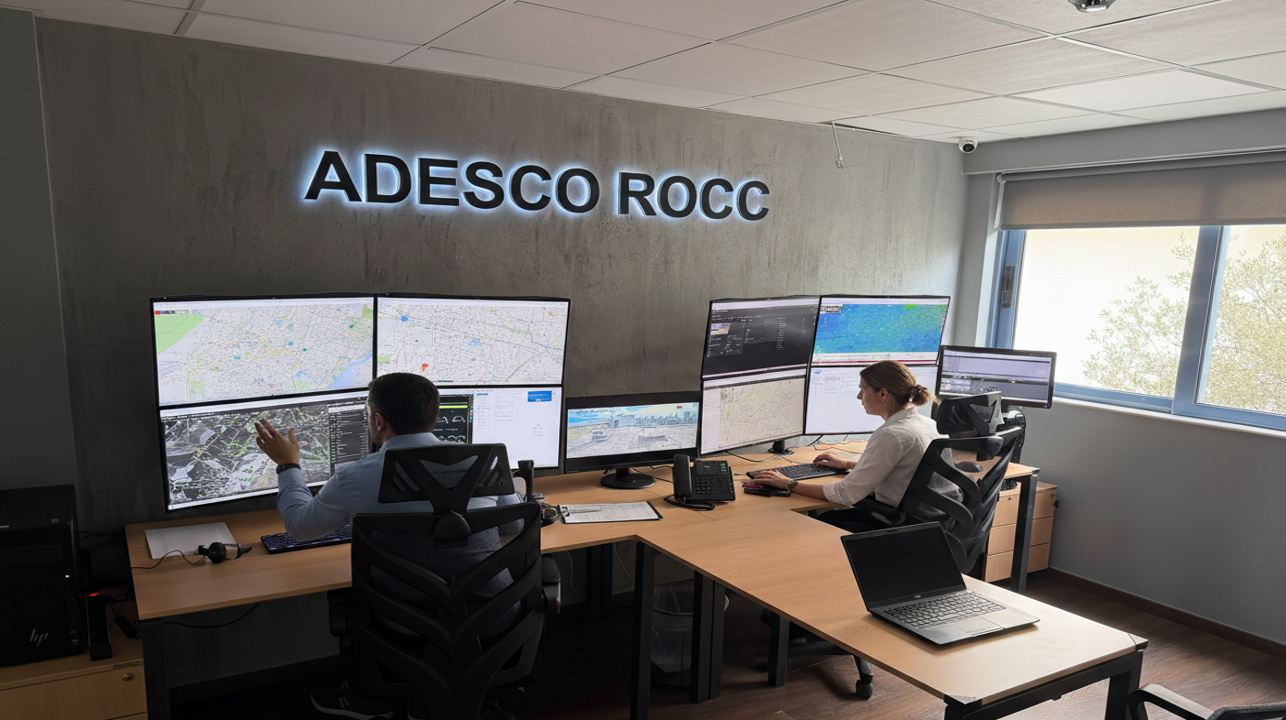
The ADESCO ROCC operations centre with staff on shift

What ADESCO takes on

02 — ADESCO-Managed Flight Operations

Flights are flown by ADESCO.

The ROCC is staffed by ADESCO pilots, who handle the operational management and execution of flights within the approved operational framework of each project.

This approach lets the companies, organisations and bodies working with ADESCO use remote surveillance and inspection technology without having to build their own flight team.

Remote Mission Planning

Mission planning

ADESCO plans every mission around the client’s operational requirements. The process includes:

  • Defining the purpose of the mission.
  • Identifying the area of interest.
  • Defining routes and inspection points.
  • Choosing the right drone and sensors.
  • Defining data-collection requirements.
  • Assessing operational limitations.
  • Scheduling recurring missions, where provided for.
Remote Flight Execution

Flight execution

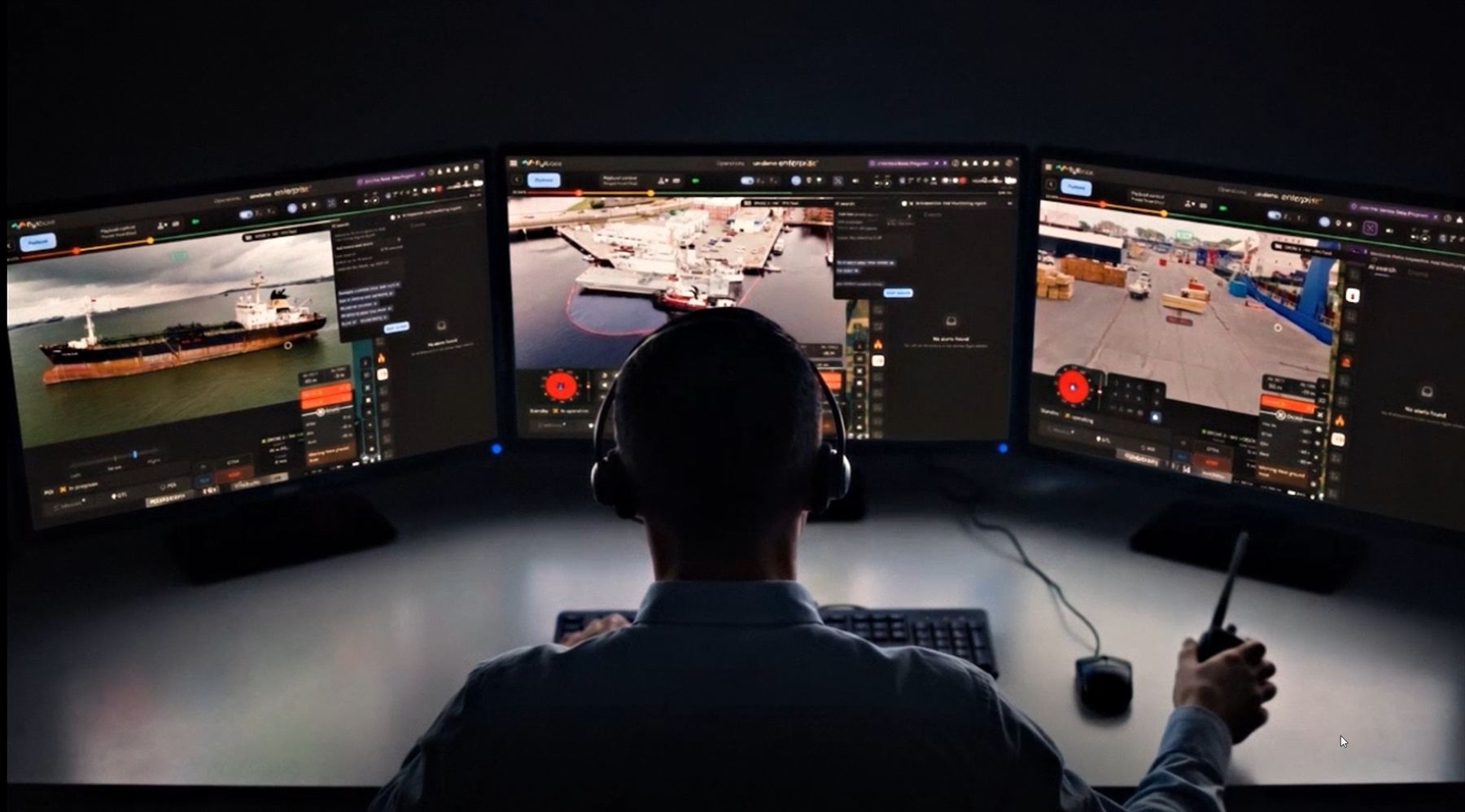
Flights are flown by ADESCO pilots through the ROCC. The operational process includes:

  • Checking the operational readiness of the system.
  • Confirming the required flight conditions.
  • Checking that the drone and the DiaB station are available.
  • Operational management of the mission.
  • Monitoring the flight status.
  • Monitoring live video and telemetry.
  • Applying the agreed procedures in case of a deviation or incident.
  • Recording the mission results.

Execution follows the applicable regulatory requirements and the approvals covering each operational scenario.

Remote Operational Monitoring

Operational monitoring

During operations, the ROCC provides a central picture of the status of the connected systems. Pilots can monitor:

  • The status of the drones.
  • Their position and course.
  • The progress of missions.
  • Live video from the cameras.
  • The available thermal data.
  • The status of the DiaB stations.
  • Operational alerts.
  • Any incidents that need assessment.
03 — Fully Managed Service

Fully Managed Service – what it means for the client.

Your Operations. Our Pilots. Our Control Center.

ADESCO’s service model transfers the operational responsibility for the day-to-day running of the drones to its specialist team, within the contractual and regulatory obligations of each project.

The client does not need to build an internal structure to operate the system.

AreaADESCOClient
Operational planningProvides requirements
Mission schedulingDefines needs
Flight execution—
Drone pilots—
ROCC operation—
Remote monitoringAccess to the video
Data collection—
Assessment of findingsUses the results
Mission reportsReceives and reviews
Operational requirementsSupports
Access to dataProvides

The benefits for the client

01

No in-house pilot team needed

ADESCO provides the pilots who carry out the flight operations. The client does not need to set up a separate team for the day-to-day operation of the drones.

02

No separate control center needed

Operations are managed from the ADESCO ROCC, reducing the need to build similar infrastructure at the client’s premises.

03

Central management of multiple sites

Multiple DiaB systems can be brought into one central operating environment, so different sites can be monitored from the ROCC.

04

Access to specialist operational support

The client draws on ADESCO’s expertise and procedures to manage the missions.

05

Access to operational data

The client can access the available data, live video, photos, video recordings, thermal records and reports.

06

Flexible deployment

The service can be adapted to the needs of different sites, depending on the operational scope and the technical infrastructure.

04 — 24/7 Operational Monitoring

Continuous Operational Awareness.

The ADESCO ROCC supports continuous operational monitoring 24 hours a day, 7 days a week, in line with the agreed service level.

This matters most for sites where surveillance, monitoring and early recognition of incidents are core operational needs.

The service includes:

An important distinction

24/7 monitoring does not necessarily mean flights around the clock. Whether each flight takes place depends on operating conditions, technical capabilities and the required approvals.

05 — Incident Management & Response

From Detection to Operational Response.

The ability to respond to incidents is a core part of how the ROCC works.

When an incident or unusual situation is detected during a mission, the ROCC team follows the agreed assessment and notification procedure.

The process includes:

  1. 01DetectionAn incident is detected through video, thermal data or incoming alerts.
  2. 02AssessmentThe information and its operational significance are assessed.
  3. 03VerificationThe available data are checked to confirm the finding, where possible.
  4. 04NotificationThe client’s authorised people are informed.
  5. 05Response CoordinationThe agreed actions are coordinated according to the agreed procedures.
  6. 06DocumentationThe incident and the actions taken are recorded.
  7. 07ReportingA report is delivered.
06 — Client Access & Operational Transparency

Your Operations. Visible to You.

Although ADESCO flies the missions, the client keeps access to the operational picture of their sites.

Through the agreed access to the system data, they can stay informed about drone activity and mission results.

Depending on how the service is set up, the client gets:

The result

This way ADESCO runs the operation, while the client keeps the information and oversight of the results they need.

ADESCO ROCC

One center. One operational partner. Multiple connected locations.

ADESCO takes on the full operational planning, management and execution of unmanned aircraft missions through its Remote Operation Control Center (ROCC).

ADESCO’s specialist pilots remotely manage the connected Drone-in-a-Box systems, fly the approved missions and monitor their operational status in real time.

From surveillance of industrial sites and inspection of energy infrastructure to monitoring critical facilities and thermal analysis, ADESCO provides a complete remote flight operations service.

The client does not need to build their own control center or staff a pilot team. ADESCO runs the flight systems, while the client keeps access to the data, the video and the results of their missions.

See the ROCC services.

Remote flights, surveillance, thermal inspection, infrastructure inspection and reporting, by category.