0
Pilots on site
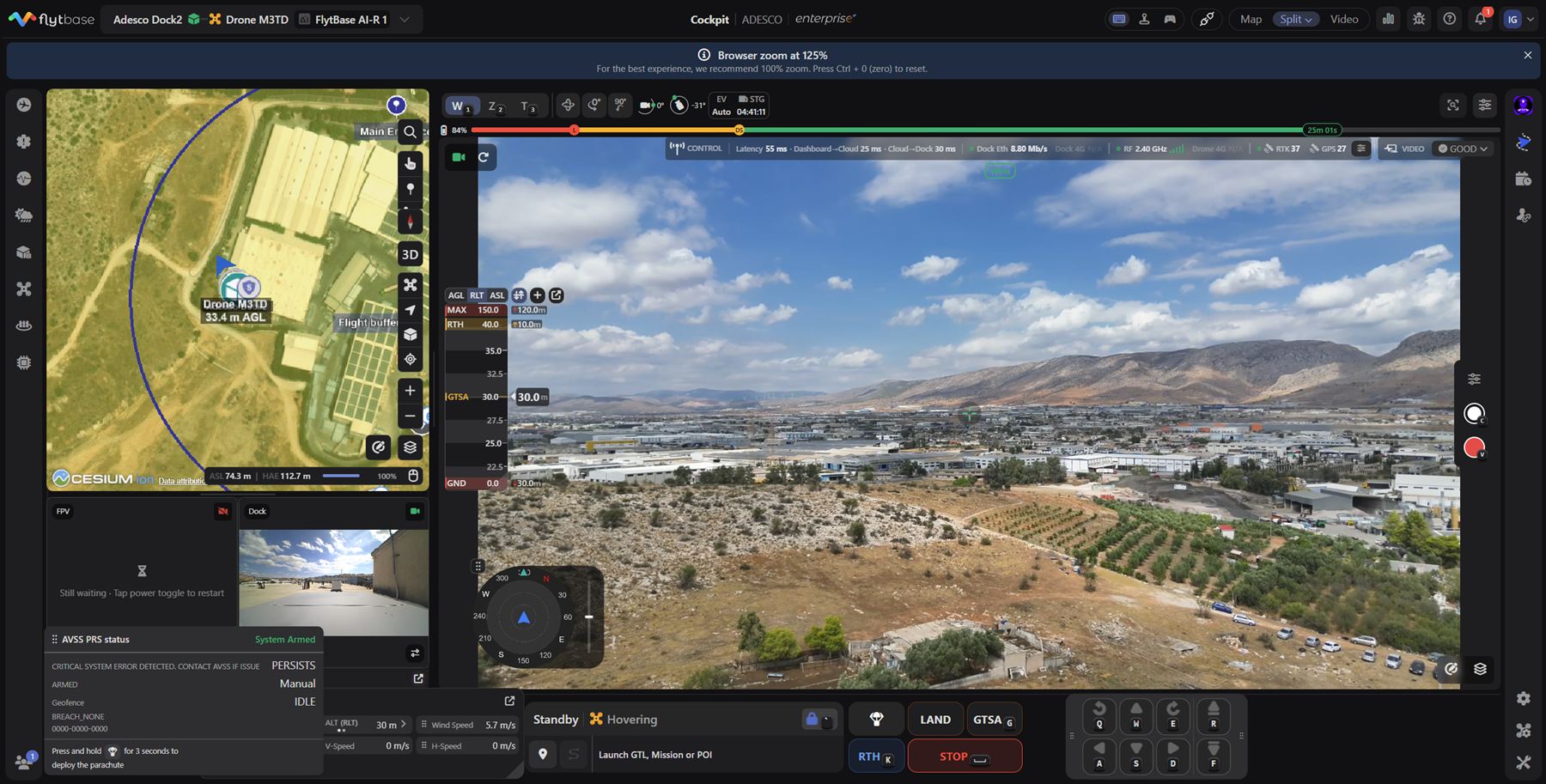
One command from FlightHub 2 and the drone launches as soon as the cover opens. Nights and holidays included.

Always there. Always ready.
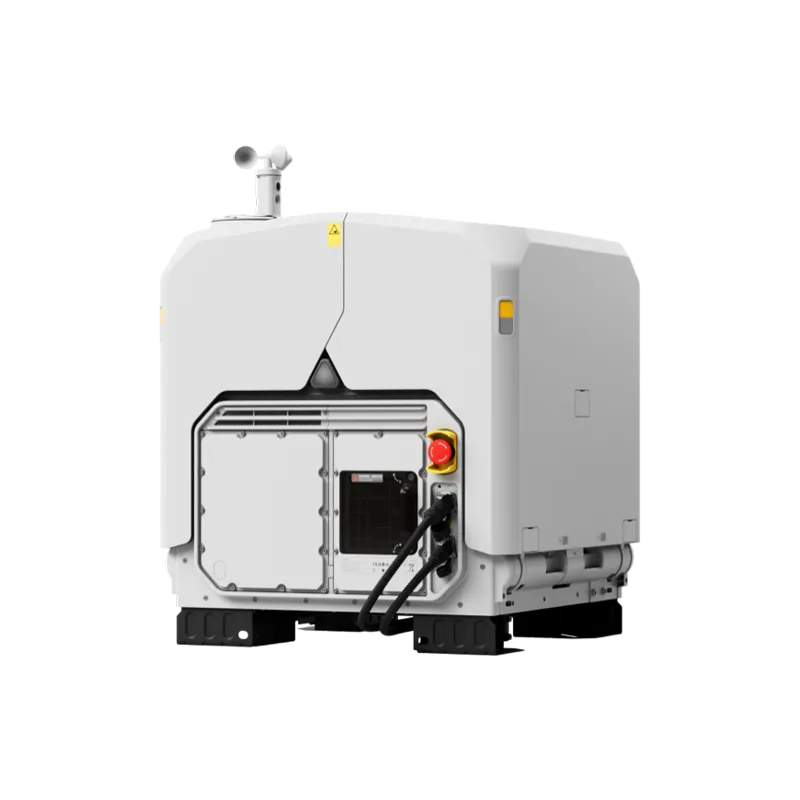
Swaps batteries in 25 seconds for automatic 24/7 operation, urgent or continuous, with DJI FlightHub 2.
As soon as the drone lands, the dock pulls the empty battery and loads a charged one. The gap between two flights drops from half an hour of charging to under half a minute.
One command from FlightHub 2 and the drone launches as soon as the cover opens. Nights and holidays included.
On FlyTo tasks it flies at up to 21 m/s, with no traffic or lights in the way, and gets there first.
Drone-to-cloud latency is down about 43%, so decision makers see the scene almost in real time.
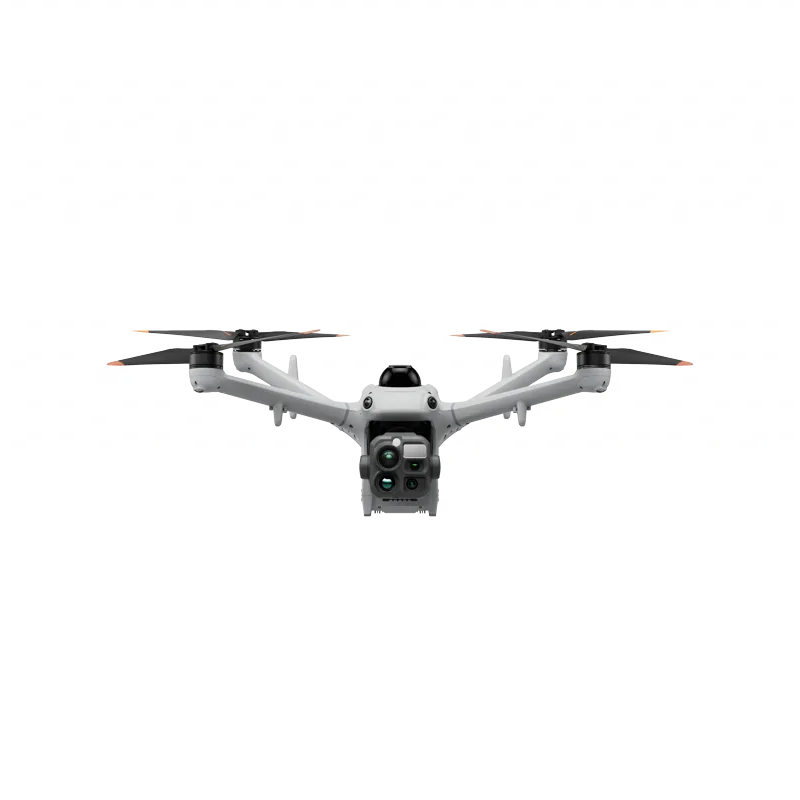
Telephoto, thermal imaging, laser ranging and full-colour night vision in one drone. Inspections, security and surveying without switching equipment.
A 252 mm equivalent focal length reads signs 400 m away and spots loose bolts on power lines from 100 m.
Up to 2560 × 2048 in UHR mode, with 32× zoom. Overheating, fire spots and people in the dark stand out, also fused with the visible feed.
Full-colour 4K night imaging without switching on a spotlight, plus NIR auxiliary light in total darkness. The laser measures distances up to 3 km.
Spotlight, speaker and parachute together on one flight: light and instructions for ground crews, safety overhead. Built-in warning light with custom colours.
The dock preheats batteries in the cold and cools them with air conditioning in the heat. The drone takes off, lands and flies in winds up to 12 m/s, and if wind picks up on the way back it descends and returns safely.
Three-directional radar, a rotating LiDAR and six-directional low-light cameras work together, so the drone flies safely even inside a substation or between distribution lines.
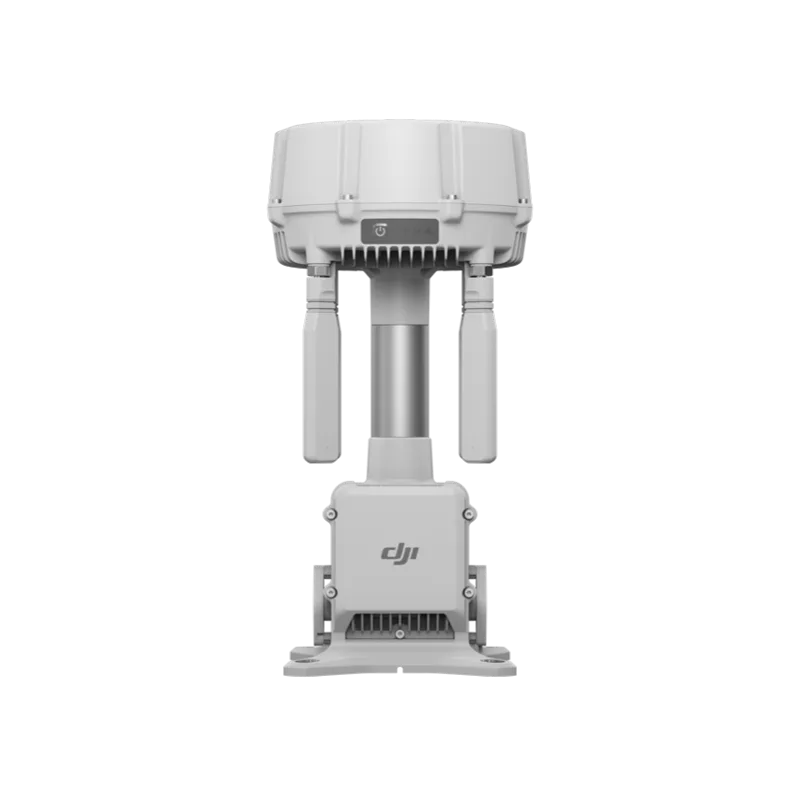
With the DJI O4 Ground Station mounted high, the signal stays stable next to high-rises or a substation wall. Dual 4G and sub-2G links for difficult sites.
The drone hands over between ground stations without interruption, so cities and large sites have no blind spots.
Key figures for the dock and the drone, with DJI’s full official datasheet below.
Source: DJI’s official specifications, as published by the manufacturer. Values were measured in controlled conditions. Official page ↗
It swaps the drone's battery by itself in 25 seconds and works from −40 to 50 °C. Video link and RTK move to the separate O4 Ground Station, so the dock can be sited more freely. The dock's batteries double as backup power, media comes back fast over Wi‑Fi after landing, and the sub2G band makes the link more resistant to interference.
The battery swap takes 25 seconds once the lid has closed, and the next mission can start 45 seconds after the previous one.
Only the DJI Matrice 5TD.
Yes, the Dock 4 does not work without it. The O4 Ground Station provides the video link and RTK and is installed in an open, unobstructed spot.
In winds up to 12 m/s and rain up to 2 mm per hour, from −40 to 50 °C. The dock is IP56 rated.
It keeps going, using the batteries in its compartments to swap the drone's battery.
Stable power and network, at an altitude of up to 5,000 m. Before permanent installation, a drone site survey picks the location; ADESCO carries it out during the project study.
Wired Ethernet, ideally gigabit, with at least 20 Mbps up and down (40 Mbps recommended) and latency up to 100 ms.
Based on DJI’s official FAQ, in our own words. Official page ↗
Fill in the form and an ADESCO advisor will contact you within one business day.